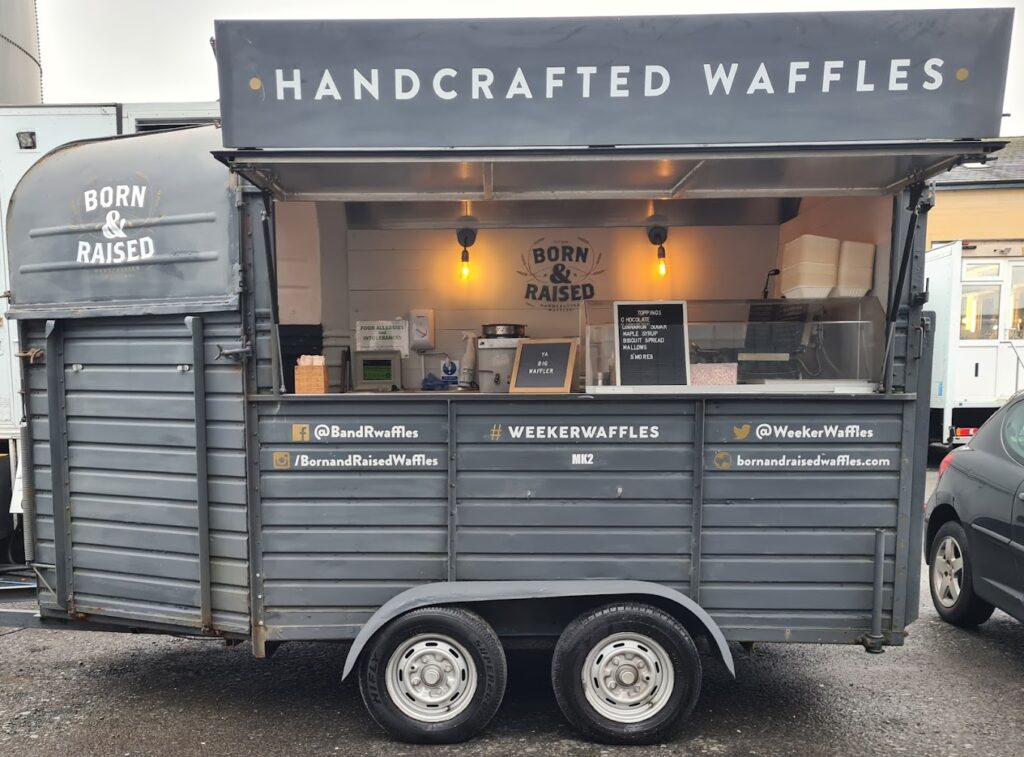
Running a hospitality business in Northern Ireland is not for the faint-hearted. Rising food costs, energy bills, staffing challenges and tight margins all combine to make it one of the most demanding sectors to operate in. From independent cafés and restaurants to food trucks and catering companies, there is constant pressure to balance quality, pricing and sustainability.
In my opinion, one of the biggest changes that could positively impact this sector would be the removal of VAT for hospitality businesses. This is not about making bold economic claims or promising guaranteed outcomes. It is about recognising the real pressures businesses face and considering how a policy change like this could support growth, stability and local economic activity across Northern Ireland.
The reality of hospitality in Northern Ireland
Hospitality plays a vital role in local communities. It provides jobs, creates social spaces and supports other industries such as tourism, events and retail. In towns and cities across Northern Ireland, hospitality businesses are often at the centre of daily life.
However, the financial model behind these businesses is challenging. Profit margins are typically tight, and even small increases in costs can have a significant impact. VAT adds another layer to this. While it is a standard part of the tax system, its effect on pricing and profitability in hospitality is more noticeable than in many other sectors.
For customers, it contributes to higher prices. For business owners, it reduces the margin available to reinvest, grow or even maintain stability during quieter periods.
Why I believe VAT should be scrapped for hospitality
This is a personal view, but one that comes from understanding how hospitality businesses operate day to day. Removing VAT from the sector could create breathing room where it is most needed. It would allow businesses to make decisions that support long-term sustainability rather than short-term survival.
Instead of constantly adjusting prices to keep up with rising costs, businesses could focus on improving quality, service and customer experience. It would give owners more control and flexibility in how they run their operations.
It is not about eliminating challenges entirely. Hospitality will always be a demanding industry. But reducing one major cost pressure could make a meaningful difference.
Potential benefits for local businesses
From a business perspective, removing VAT could open up a number of opportunities. With lower tax pressure, owners may have more room to:
- Invest in better ingredients and higher quality products
- Improve staff wages and retention
- Upgrade equipment or premises
- Expand their offering or extend opening hours
- Take more creative risks with menus and concepts
These are not guaranteed outcomes, but they are realistic possibilities. When businesses are less constrained financially, they tend to make decisions that improve both their offering and their resilience.
How it could impact customers
For customers, one of the most immediate potential effects could be pricing. Without VAT, businesses may have the option to reduce prices or at least avoid future increases. Even small changes in pricing can influence how often people eat out or attend events.
This could encourage more frequent visits to local cafés, restaurants and food trucks. Over time, this kind of behaviour can help build stronger, more consistent customer bases for hospitality businesses across Northern Ireland.
Beyond pricing, there is also the experience itself. If businesses have more room to invest, customers benefit from better quality, improved service and more variety in what is available locally.
Supporting the wider local economy
Hospitality does not operate in isolation. It connects with a wide range of other local industries. When a restaurant, café or catering company performs well, it often supports:
- Local suppliers and producers
- Farmers and food distributors
- Event organisers and venues
- Tourism and accommodation providers
- Marketing and creative services
In my view, removing VAT could help strengthen these connections. If hospitality businesses have more capacity to spend, invest and grow, that activity can ripple through the local economy.
Again, this is not a guaranteed outcome, but it is a logical one. Stronger businesses tend to contribute more to the communities around them.
Encouraging entrepreneurship and new businesses
Starting a hospitality business in Northern Ireland can be a daunting prospect. High upfront costs, ongoing expenses and uncertain margins can discourage potential entrepreneurs.
If VAT were removed, it could lower one of the barriers to entry. New businesses might feel more confident launching, and existing operators might be more willing to expand or try new ideas.
This could lead to greater variety in the local food and drink scene. More choice, more creativity and more competition can benefit both customers and the overall reputation of Northern Ireland as a place to visit and enjoy.
Helping towns and communities thrive
Hospitality businesses play a key role in keeping towns and high streets active. A busy café, a well-run restaurant or a popular food truck can bring life to an area and encourage people to spend time locally.
In my opinion, reducing financial pressure on these businesses could help more of them survive and grow. This could contribute to more vibrant town centres, stronger local identity and a better overall experience for residents and visitors alike.
It is not just about economics. It is about community, atmosphere and the role these businesses play in everyday life.
A balanced perspective
It is important to recognise that VAT plays a role in public finances, and any discussion around removing it involves wider considerations. This article is not about making definitive economic arguments or suggesting that this is a simple decision.
It is about sharing a perspective based on the realities of running and supporting hospitality businesses in Northern Ireland. From that viewpoint, reducing or removing VAT could provide meaningful support to a sector that contributes significantly to local life and the wider economy.
Final thoughts
Hospitality businesses across Northern Ireland continue to show resilience, creativity and determination in the face of ongoing challenges. They are an essential part of our communities and our economy.
In my opinion, scrapping VAT for hospitality could offer a valuable opportunity to support these businesses, encourage growth and strengthen local economic activity. It would not solve every problem, but it could provide the breathing space needed for many businesses to thrive rather than simply survive.
Ultimately, it is about creating an environment where hospitality businesses can focus on what they do best, serving great food, creating memorable experiences and contributing to the communities they are part of.
Frequently asked questions
Why focus on VAT for hospitality businesses?
VAT has a direct impact on pricing and profit margins, making it particularly relevant in a sector with tight margins like hospitality.
Would removing VAT guarantee lower prices?
Not necessarily. It could give businesses the option to reduce prices or reinvest in other areas, depending on their needs.
How could this affect Northern Ireland specifically?
It could support local businesses, encourage spending and potentially strengthen connections with other local industries.
Is this a proven economic solution?
This article reflects a personal opinion and perspective rather than making definitive economic claims.
What is the main benefit of removing VAT in this context?
It could provide financial breathing room for hospitality businesses, allowing them to invest, grow and improve their offering.