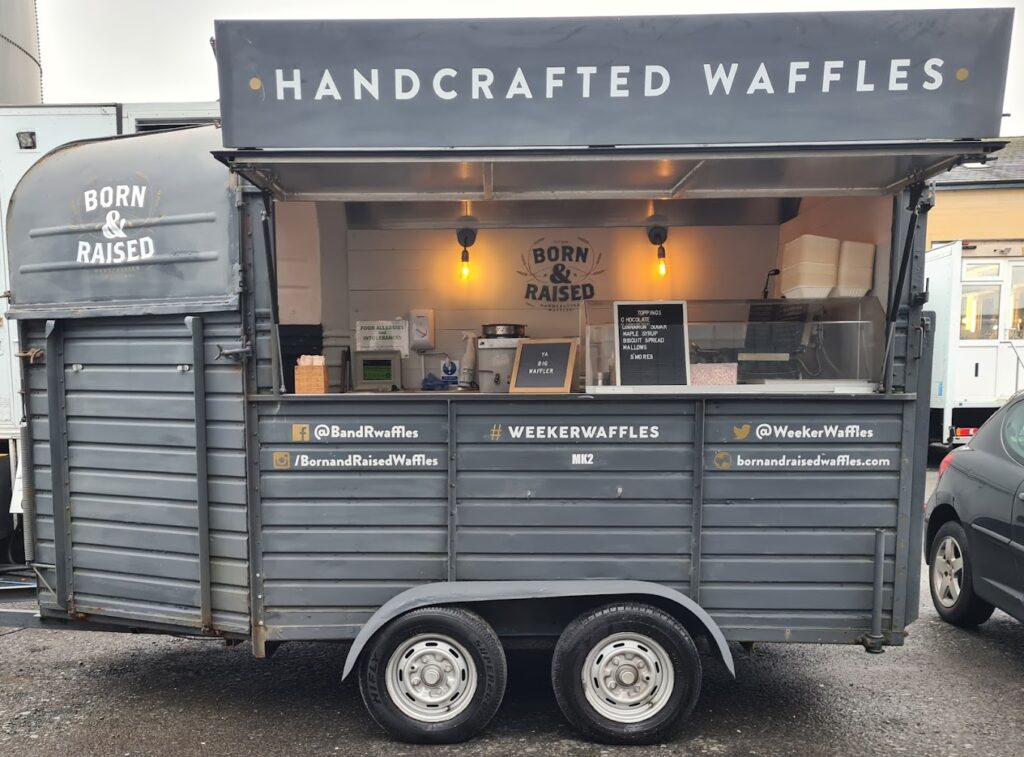
Across Northern Ireland, Ireland and the wider UK, rising fuel costs continue to affect everyday life. Whether it is petrol, diesel or heating oil, increases in fuel prices have a knock-on effect that reaches far beyond the forecourt. For many people, it is no longer just an inconvenience. It is something that shapes daily decisions, business operations and household budgets.
This article shares a perspective on the current fuel situation and its wider impact. It is not about presenting hard economic claims or policy guarantees. Instead, it looks at how rising fuel costs affect businesses, livelihoods and families, and why supporting local economies may be one of the most practical ways forward.
The reality of rising fuel costs
Fuel is at the centre of how modern life operates. It affects how people travel to work, how goods are delivered, how services are provided and how homes are heated. When fuel prices rise, the impact spreads quickly across multiple areas of life.
For businesses, higher fuel costs increase expenses almost immediately. For families, it reduces disposable income. For communities, it can lead to less movement, less spending and less economic activity overall.
In regions like Northern Ireland and rural parts of Ireland and the UK, where public transport options can be limited, the reliance on fuel is even greater. This makes the impact more pronounced for both individuals and businesses.
Impact on businesses across Northern Ireland and the UK
For many businesses, fuel is a core operating cost. This is especially true for:
- Delivery and logistics companies
- Tradespeople and mobile services
- Food trucks and catering businesses
- Retailers reliant on supply chains
- Hospitality businesses sourcing local produce
When fuel prices increase, businesses face difficult decisions. They may need to raise prices, absorb costs or reduce services. None of these options are ideal. Higher prices can deter customers, while absorbing costs can reduce already tight margins.
Over time, this can slow down growth, reduce hiring and limit investment. It creates a cycle where businesses are focused on managing costs rather than expanding or improving their offering.
The effect on livelihoods and families
For families, rising fuel costs are felt in multiple ways. The most obvious is at the petrol station or when filling a home heating tank. But the impact goes further than that.
As businesses increase prices to cover their own costs, everyday expenses begin to rise. Food, services and leisure activities all become more expensive. This reduces the amount of money households have available to spend elsewhere.
When disposable income drops, people naturally cut back. Eating out less, delaying purchases or avoiding travel altogether are common responses. While understandable, these decisions can have a wider impact on local economies.
The knock-on effect on local economies
When both businesses and consumers are under pressure, local economies can slow down. Less spending means less revenue for businesses, which can lead to reduced hours, fewer staff and less investment.
This is particularly important in smaller towns and communities across Northern Ireland. Local businesses rely heavily on consistent customer activity. When that activity drops, the effects are felt quickly.
It is a reminder that economic challenges are rarely isolated. They tend to ripple through communities, affecting multiple sectors at once.
Why supporting local businesses matters more than ever
One of the most practical responses during times like this is to focus on supporting local businesses where possible. Keeping money within the local economy helps maintain activity, protect jobs and support community growth.
When people choose to spend locally, it creates a cycle of support. Local businesses are more likely to use local suppliers, hire local staff and reinvest in their communities. This helps strengthen the overall economic environment.
Making local services more accessible also plays a role. If people can access what they need closer to home, it reduces travel costs and keeps spending within the area. Over time, this can help offset some of the pressure created by rising fuel costs.
Making everyday spending more accessible
Accessibility is not just about location. It is also about affordability. When people feel priced out of everyday activities, they naturally withdraw from them. This affects everything from dining out to attending events or using local services.
In my opinion, policies that increase people’s ability to spend could have a positive effect on the economy. For example, increasing tax allowances could leave more money in people’s pockets. Removing or reducing VAT could also make goods and services more affordable.
The idea here is simple. When people have more disposable income, they are more likely to spend. That spending supports businesses, which in turn generate revenue and contribute through other forms of taxation. While this is not a guaranteed outcome, it is a perspective worth considering.
Encouraging spending to drive economic activity
Economic activity often depends on confidence. When people feel financially secure, they are more willing to spend. When they feel uncertain, they tend to hold back.
By reducing financial pressure on households, there is potential to encourage more consistent spending. This can help businesses recover, grow and invest. It can also create a more stable environment where both businesses and consumers feel more confident in their decisions.
Again, this is not a definitive solution, but it reflects a way of thinking that focuses on stimulating activity rather than restricting it.
A simple comparison: personal finances and national decisions
One way to think about this is through a simple comparison. At a personal level, if you cannot afford to do something, you usually do not do it. You focus on your essentials first, stabilise your situation and then consider other commitments later.
In my opinion, there is a similar principle that could be applied at a national level. Building a strong, stable economy at home creates a better foundation for everything else. When local businesses are thriving and communities are financially secure, there is more capacity to grow, invest and support wider initiatives.
This is not about avoiding responsibility or ignoring global issues. It is about recognising that a strong foundation at home can make it easier to contribute positively in the future.
The importance of balance
It is important to acknowledge that fuel pricing, taxation and economic policy are complex areas with many factors at play. There are no simple answers, and every decision involves trade-offs.
This article reflects a perspective focused on supporting businesses, families and local economies during a period of financial pressure. It highlights the idea that reducing costs and increasing accessibility could help encourage spending and economic activity.
Different viewpoints will exist, and that is part of a healthy discussion. The key is to consider how policies and decisions affect everyday life for people and businesses across Northern Ireland, Ireland and the UK.
Final thoughts
The current fuel situation continues to place pressure on businesses, livelihoods and families. Its impact is felt across multiple areas of life, from daily commuting to the cost of running a business.
In my opinion, supporting local economies, improving accessibility and exploring ways to increase disposable income could help create a more positive environment. Encouraging spending, rather than restricting it, may offer a path towards stronger and more resilient communities.
Ultimately, building a stable and thriving local economy benefits everyone. It supports businesses, protects jobs and helps create a foundation for future growth.
Frequently asked questions
How do rising fuel costs affect businesses?
They increase operating costs, particularly for transport, deliveries and supply chains, which can lead to higher prices or reduced margins.
Why do fuel prices impact local economies?
Higher fuel costs reduce disposable income and increase business expenses, leading to less spending and slower economic activity.
How can supporting local businesses help?
It keeps money within the community, supports jobs and helps maintain economic activity during challenging periods.
Would increasing tax allowances help?
It could leave more money in people’s pockets, potentially encouraging spending, although outcomes can vary.
Is removing VAT a guaranteed solution?
No. It is one possible approach that may increase affordability and spending, but it is not a guaranteed outcome.